Scott 3200A Tailwheel – Fully Rebuilt: Heavy-Duty General Aviation Tailwheel Assembly
Scott 3200A Tailwheel – Fully Rebuilt: Heavy-Duty General Aviation Tailwheel Assembly
Blog Article
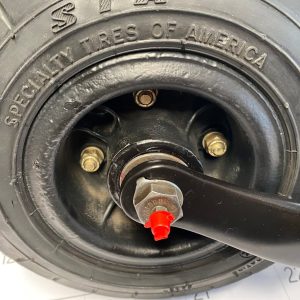
The Scott 3200A Tailwheel – Fully Rebuilt combines an established aviation design with inspected, serviced, adjusted, and replaced components intended to restore dependable mechanical operation. Clear rebuild records help aircraft owners and maintenance professionals evaluate the tailwheel before installation.
A Scott 3200A Tailwheel Assembly can contribute to controlled taxiing, parking, takeoff alignment, landing rollout, and maneuvering in confined ramp areas. A Scott Tailwheel Assembly should be evaluated as a complete mechanical system rather than judged only by its tire, fork, paint, or visible exterior hardware.
The Aircraft Tailwheel Assembly carries tail loads while allowing the aircraft to taxi, turn, park, take off, and land on suitable surfaces. The General Aviation Tailwheel should be selected according to aircraft weight, tail load, wheel size, spring arrangement, steering configuration, runway environment, and installation requirements.
Whether operators are sourcing a Heavy-Duty Aircraft Tailwheel, Tailwheel Aircraft Parts, or Aircraft Steering Tailwheel, condition and documentation should remain central.
Exploring the Scott 3200 Tailwheel Design
A fully rebuilt Scott 3200A may offer practical value when its identity, condition, rebuild scope, and aircraft compatibility are confirmed. A system-level evaluation can identify the true cause of binding, looseness, poor centering, irregular tire wear, or inconsistent ground control.
Choosing a Scott 3200A Tailwheel Assembly
Suitable internal clearances and secure steering components contribute to consistent performance. Reusable parts may remain acceptable when they pass inspection, while worn or damaged components should be replaced appropriately.
Scott Tailwheel Reliability and Condition
Correct lubrication and careful reassembly help restore smooth movement and reduce unnecessary wear. Cosmetic refinishing should remain secondary to mechanical condition and structural integrity.
How an Aircraft Tailwheel Assembly Works
An Aircraft Tailwheel Assembly allows the rear of the airplane to roll and respond to steering input during ground movement. The tail spring and steering linkage website strongly affect how the assembly responds to pilot input.
General Aviation Tailwheel Maintenance
Each operating environment places different demands on the tire, wheel, fork, bearings, steering mechanism, hardware, and lubrication. Experimental aircraft installations should be evaluated according to the builder’s configuration and applicable operational requirements.
Aircraft Tailwheel Ground Handling
The assembly remains part of a complete ground-handling system that also includes rudder control, brakes, main gear, and pilot technique. The axle and bearings should be included in routine maintenance and rebuild inspection.
Maintaining a Taildragger Tailwheel
Mechanical wear, poor alignment, or unsuitable steering adjustment can increase pilot workload. Responsible operation can extend Taildragger Tailwheel service life.
Aviation Tailwheel System Inspection
A complete inspection helps avoid unnecessary replacement and repeated troubleshooting. Steering chains or links should have suitable tension, symmetry, attachment security, and freedom of movement according to the aircraft configuration.
Inspecting Tailwheel Steering Components
The mechanism should respond smoothly without sticking, harsh engagement, excessive delay, uncontrolled release, or irregular centering. The full steering and swivel range should be checked after installation.
Maintaining Aircraft Ground Handling Components
Reliable ground handling begins with a serviceable assembly and a correctly adjusted installation. Ground personnel should avoid forcing the aircraft beyond suitable steering limits.
Scott 3200 Series Tailwheel Heritage
The Scott 3200 Series Tailwheel has become familiar within general aviation through its use on numerous conventional-gear aircraft and restoration projects. Different Scott 3200 variants, later manufacturing versions, replacement parts, and modified assemblies may exist.
Heavy-Duty Aircraft Tailwheel Applications
Rugged operations may involve gravel, grass, dirt, uneven surfaces, frequent cycles, contamination, and repeated loading. Mud, dust, gravel, and water can shorten inspection and lubrication intervals.
Tailwheel Aircraft Parts
Every component should match the intended Scott assembly and aircraft installation. The rebuild should examine all interacting parts rather than focusing on external appearance.
Aircraft Tailwheel Directional Control
An Aircraft Steering Tailwheel helps direct the airplane during taxi by responding to the rudder-linked steering arrangement. Uneven tire wear may indicate alignment, bearing, or steering concerns.
Choosing a Replacement Aircraft Tailwheel
Aircraft records may reveal previous modifications or approved changes that influence replacement selection. The unit should not be installed solely because it appears clean or freshly refinished.
Inspecting General Aviation Landing Gear Parts
Main-wheel alignment, brake condition, tire pressure, and airframe rigging can influence how a taildragger behaves on the ground. Transparent descriptions support trust among aircraft owners, sellers, and maintenance professionals.
Scott Tailwheel Condition Checklist
The rebuild date and identity of the rebuilder should be provided where available.
- Request photographs of the front, rear, sides, wheel, fork, steering arms, mounting area, identification marks, and loose components.
- Do not treat clean paint, fresh grease, or bright hardware as proof of a complete mechanical rebuild.
- Require packaging that protects the wheel, fork, steering arms, mounting surfaces, fittings, and loose hardware from impact and movement.
Scott 3200A Tailwheel Installation Guide
Installation should be completed by appropriately qualified personnel familiar with conventional-gear aircraft and mechanical tailwheel steering systems. The steering linkage should respond properly without restricting rudder movement.
Testing should begin at low speed in a suitable area under safe conditions.
Scott Tailwheel Maintenance Guide
Consistent servicing protects the value of the Scott 3200A Tailwheel – Fully Rebuilt. Early attention supports reliable long-term operation.
Corrosion protection may be especially important in humid, coastal, agricultural, outdoor-storage, or wet operating environments.
Choosing the Scott 3200A Tailwheel – Fully Rebuilt
The Scott 3200A Tailwheel – Fully Rebuilt may suit aircraft owners, bush operators, restoration facilities, flight schools, maintenance organizations, and pilots seeking renewed ground-handling performance. The assembly should be judged according to total installation suitability rather than fresh paint, brand recognition, appearance, or price alone.
Whether the project involves an Aircraft Ground Handling Tailwheel, Scott 3200 Series Tailwheel, Heavy-Duty Aircraft Tailwheel, or Tailwheel Aircraft Parts, rebuild documentation should be reviewed carefully. With transparent rebuild records, secure mounting, serviceable steering components, and careful taxi testing, the Scott 3200A can support predictable ground handling.
Report this page